Bio

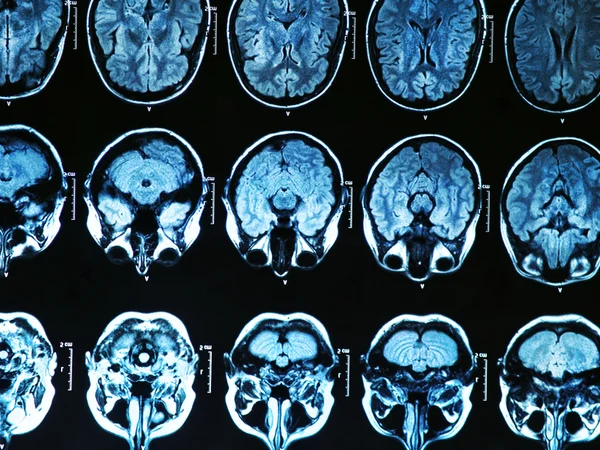
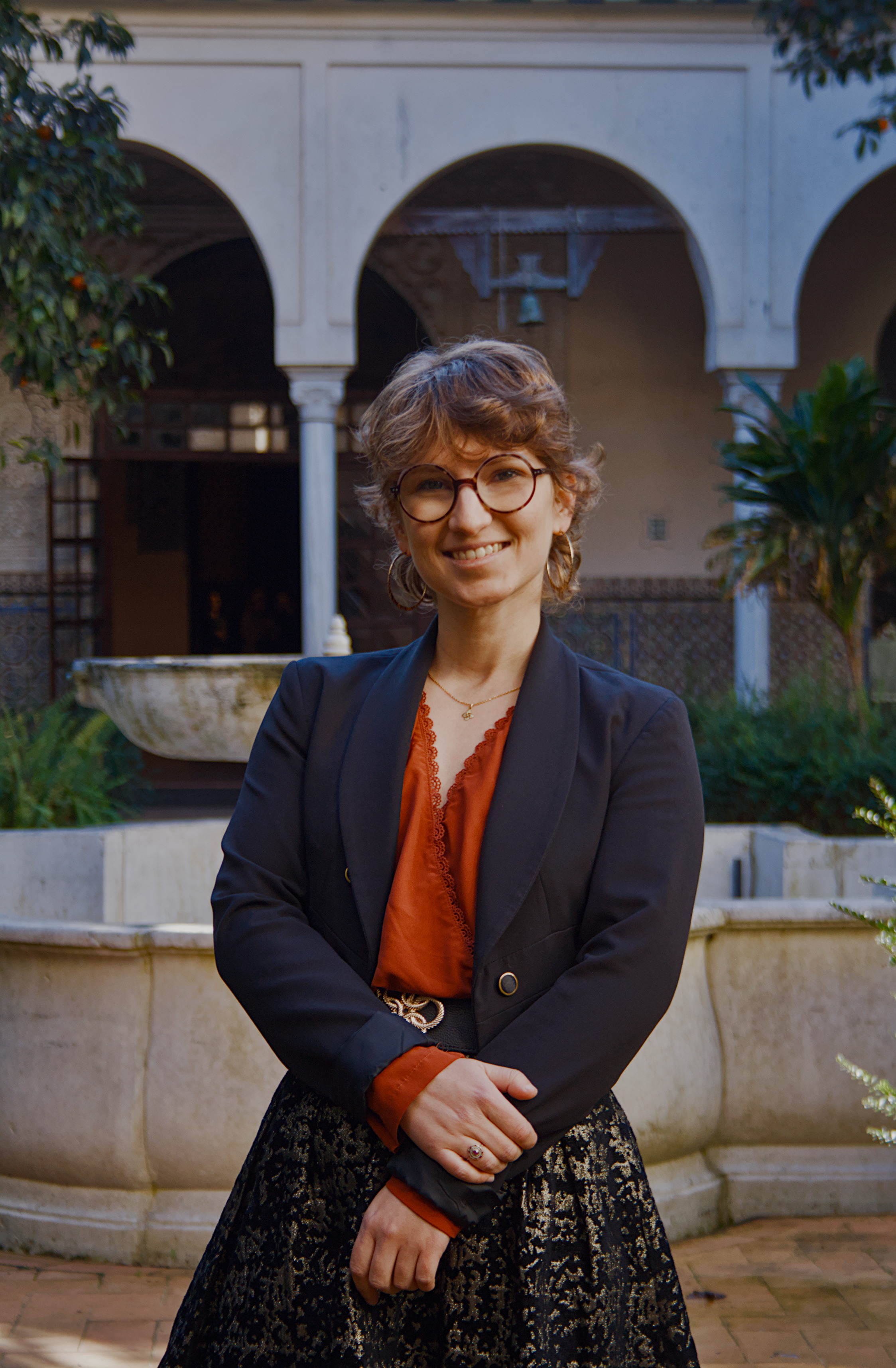
Fascinated from an early age by the mysteries of the brain, I specialized in technologies that make it possible to explore it, in particular neuroimaging.

I obtained my degree in biomedical engineering in 2019 in France, specialized in artificial intelligence and brain imaging during my final-year project in Valparaíso (Chile) where I worked on modelling of retinal neuron recordings using MEAs (microelectrode arrays), and subsequently completed my PhD at NeuroSpin (CEA Paris-Saclay). There, my project DeepStim , under the mentorship of Dr. Jarraya and Dr. Grigis, focused on modeling brain dynamics and their relationship to states of consciousness. I combined experimental data with computational models, and published some findings in international conference such as MICCAI and ISBI.

In September 2024, I joined as a postdoctoral researcher, the Neuroimaging & Brain Networks Lab at the University of Seville. The group research focuses on changes in brain organization associated with mental health and neurodevelopmental disorders. My current work aims to develop robust, data-driven tools for classification and stratification in mental health.

Beyond research, I place great value on teaching, science outreach, and mentorship, actively participating in the International Day of Women and Girls in Science (11F) and the Brain Awareness Week. The pursuit of freedom and self-improvement are values that guide me both in my work and beyond. That’s why, when I’m not in the lab, I’m challenging gravity on a mountain or a climbing wall.
Research interest

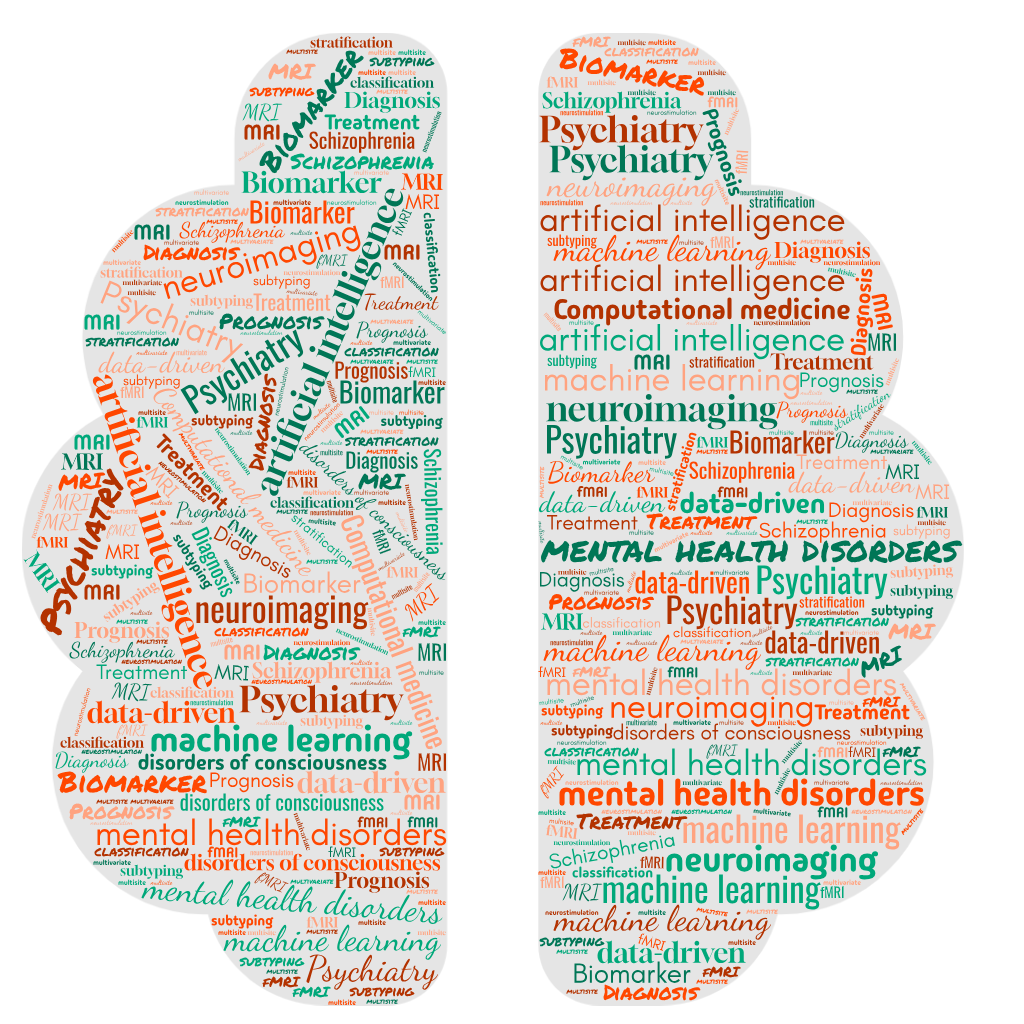
My scientific trajectory focuses on the development and use of artificial intelligence (AI) techniques applied to neuroimaging data to improve understanding of disorders of consciousness and mental health disorders. My goal is to provide clinicians with tools that support diagnosis, prognosis, and treatment. I believe in a future where diagnosis will no longer rely solely on a collection of symptoms, but also on biological data. I think that computational medicine can help identify neuroimaging-derived biomarkers capable of improving clinical decision-making. By combining large multisite population datasets with machine learning approaches, it becomes possible to achieve subject-level inference, opening new avenues for more precise and personalized diagnosis.

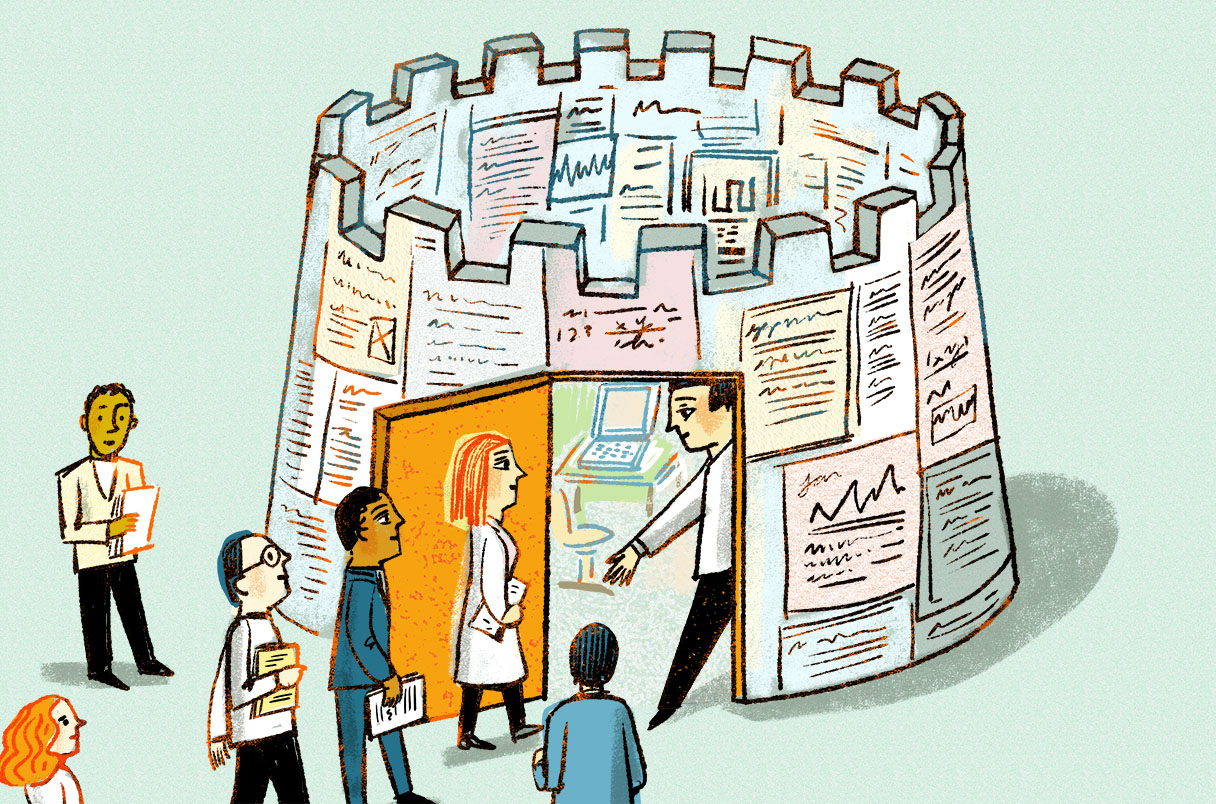
Open science illustration
by Robert Neubecker

Open Science Commitment

I strongly believe in open science. Beyond engaging with other researchers through international conferences and collaborations, I advocate that opendata and free and opensource softwares are among the most valuable tools to drive international efforts, scientific transparency, and reproducibility. The preprint of my manuscripts are available on platforms such as hal.science, bioRxiv.org and medRxiv.org. My code for preprocessing, analysis of brain imaging data is freely available through my github repository and the ones of my current and past laboratories.

Scientific projects

My research is grounded on slow science and prioritises rigour, robustness, reproducibility and generalisation. Working with complex and often heterogeneous data taught me how easily models can fail when applied outside their original setting, which led me to systematically incorporate external validation and out-of-distribution evaluation into my work.

pic

Identify neurobiologically relevant signatures between healthy control individuals and individuals with schizophrenia spectrum disorders (SSD)

Beyond the traditional linear univariate statistical methods to characterize biological differences between groups, my work focuses on complementary machine-learning tools centered on classification and stratification applied to MRI. I account for the non-linear relationships between diagnosis and brain biomarkers, as well as interactions among biomarkers, through the use of multivariate supervised machine-learning approaches and interpretable classifiers. I aim to validate the identified biomarkers by testing their relationship with symptoms and cognition.

Artwork by Galen Dara
By Galen Dara

Data-driven subgroup discovery in schizophrenia spectrum disorders

Beyond traditional explorations of case–control contrasts, I try to identify subtypes within diagnostic groups, characterizing both their shared neuroanatomical phenotypes and their divergences. To this end, I apply standard unsupervised frameworks and hybrid supervised–unsupervised frameworks capable of uncovering interpretable patient subtypes. By overcoming the limitations of traditional binary classifiers, that are capturing only dominant sources of variability, these frameworks reveal clinically meaningful and biologically grounded subgroups. These methods support both diagnostic and prognostic tasks, including distinguishing resilient from non-remitting clinical trajectories.

Artwork by Marietta Ren
By Marietta Ren

Deepstim

My thesis project DeepStim focused on modelling brain dynamics and their relation to conscious states. I used generative models to identify activity patterns across conscious states. I also studied neural correlates of consciousness using latent models and extended this work to the restoration of consciousness with deep brain stimulation. You can find my thesis here and the related publications here and here.

Selected publications

I have 2 peer-reviewed publications; 3 peer-reviewed proceedings in international conferences; 2 manuscripts currently under review. For a full list please see my Google Scholar or Orcid page.

Previous positions / Diploma

Period Position/Institution/Country
2024- current Postdoctoral researcher (PIs: Dr. R. Romero-Garcia) · Medical Physiology and Biophysics, Faculty of Medicine, University of Seville · Spain
2020-2024 PhD funded by the research project NeuroStim supported by Foundation Bettencourt Schueller (PIs: Dr. B. Jarraya, Dr. A. Grigis) · Neurospin (CEA Paris-Saclay), Université Paris-Saclay · France
2021-2022 (97 hours) Tutorials teacher · Information Technology Department · IUT d’Orsay, Université Paris-Saclay · France
2019-2020 (10 months) Research Internship (PIs : Dr. M.J. Escobar, Dr. A. Palacios) · Centro Interdisciplinario de Neurociencia de Valparaíso (CINV) · Chile
2018 (3 months) R&D Engineering internship · TissUse GmbH · Berlin · Germany

Outreach

International Day of Women and Girls in Science · 11F 2026

I am co-organizing Nosotras Investigamos, a conference highlighting outstanding female neuroscientists in Seville and addressing gender-related challenges in academic careers. You can find our website here.

Brain Awareness Week

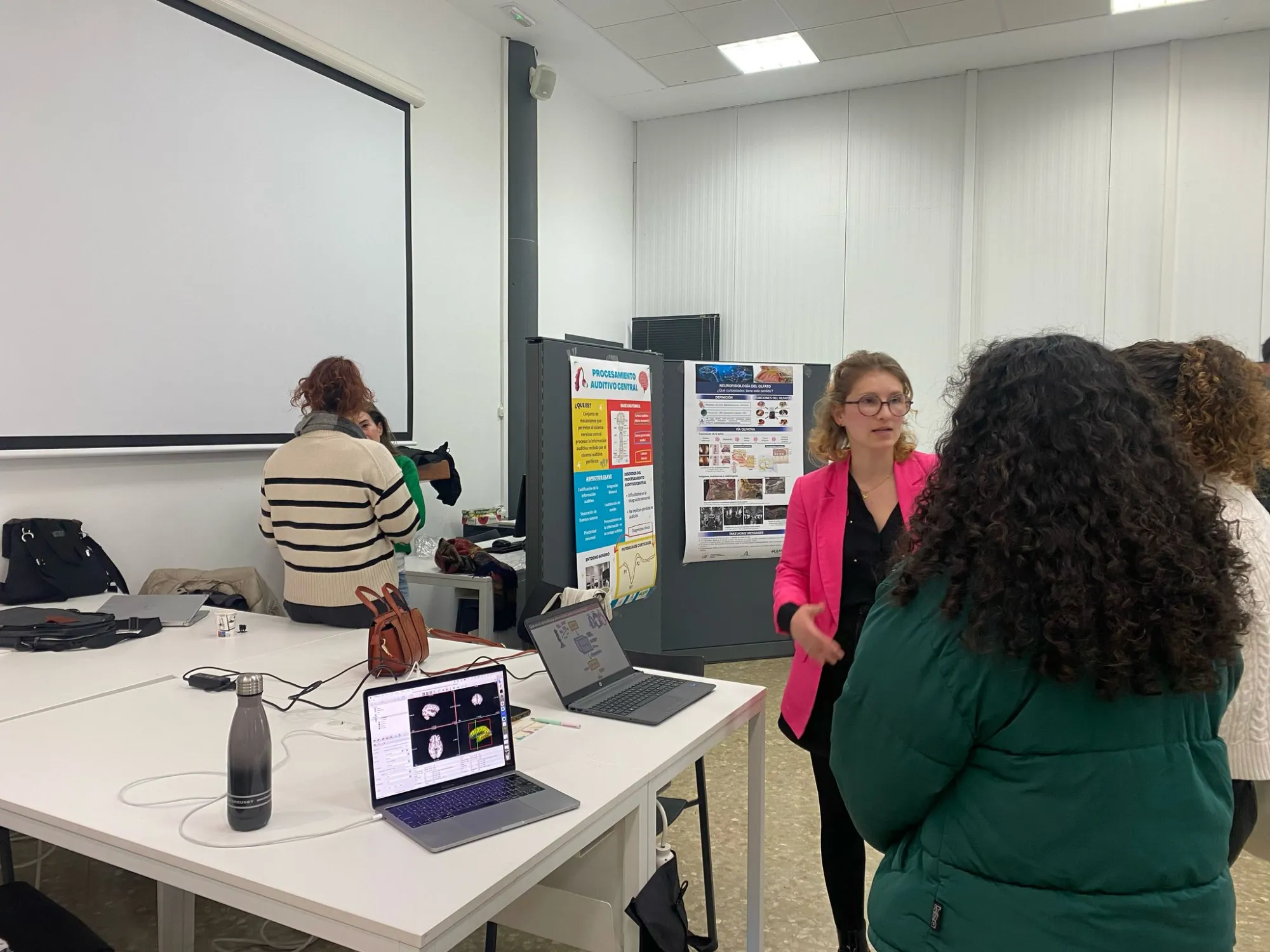
I contributed to a workshop on brain architecture for the medical student at the Faculty of Medicine of Seville. You can find link here.

International Day of Women and Girls in Science · 11F 2025

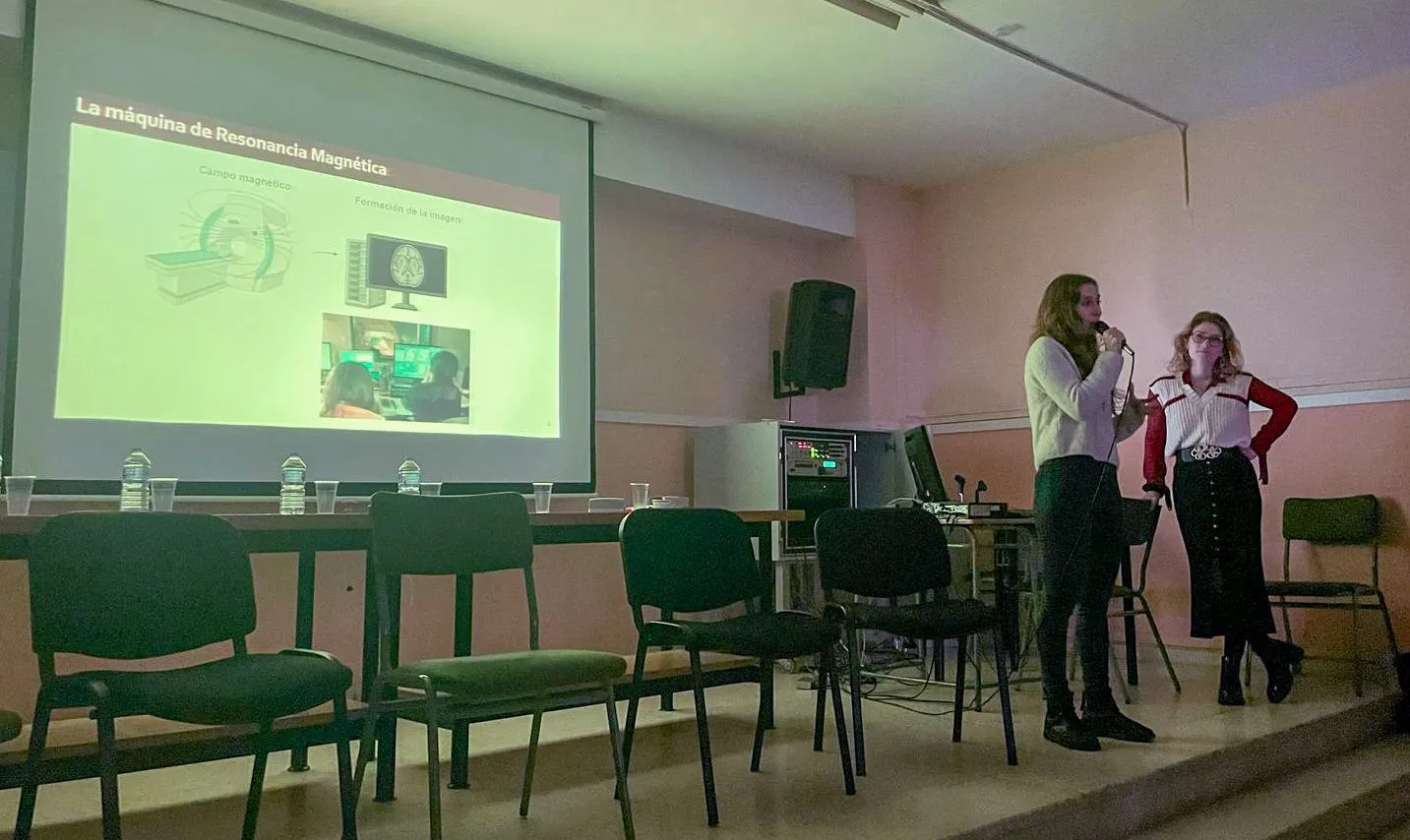
I presented an outreach talk on neuroimaging for high-school students (IES Salvador Távora, Sevilla). You can find a link here.

Please feel free to get in touch

Please contact me if you have any questions or would like to work together.
cgomez10(at)us.es